
If you hear ringing, buzzing, or hissing in your ears when no external sound is present, you are experiencing tinnitus. You are not alone millions in India and worldwide live with this condition. The good news is that while there is no outright “cure,” effective management strategies can significantly reduce the distress and impact of tinnitus, allowing you to live a full life. One of the most effective and widely recommended approaches is Sound Therapy.
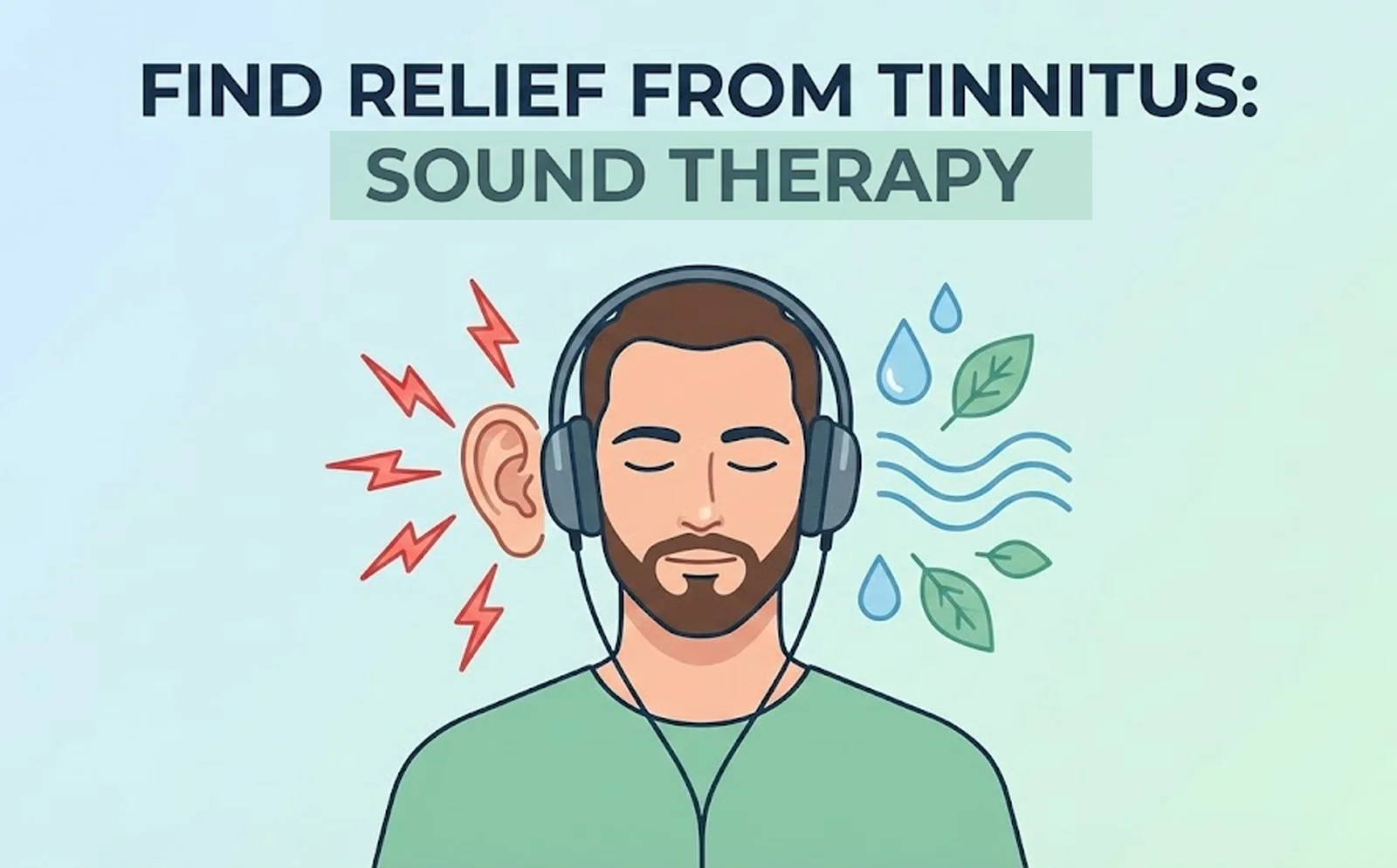
What is Sound Therapy?
Sound Therapy is not about masking or drowning out your tinnitus with louder noise. Instead, it’s a gentle, therapeutic use of sound to help your brain relearn how to process the tinnitus signal, so it becomes less noticeable and bothersome over time. This process is based on the neurophysiological model of tinnitus, which explains how the brain’s auditory and emotional centers interact to create distress [1].
Think of it like this: In a quiet room, a single dripping tap can be incredibly annoying. But if you are in a garden with the sounds of birds, wind, and water, you may not notice the tap at all. Sound Therapy enriches your sound environment, making the tinnitus less prominent and reducing the stress and attention your brain pays to it.
Does Sound Therapy Work for Tinnitus?
Yes, substantial clinical evidence supports its effectiveness. Research shows that Sound Therapy, especially when combined with educational counselling in an approach called Tinnitus Retraining Therapy (TRT), is a powerful tool for managing tinnitus [2].
A major Cochrane Review (the gold standard for medical evidence) concluded that structured Sound Therapy within TRT is an effective treatment for reducing tinnitus distress [2].
Systematic reviews have found that both TRT and Cognitive Behavioral Therapy (CBT) are effective interventions for improving tinnitus-related quality of life [5].
The benefit is long-term. While some relief can be felt in a few months, the greatest improvements are often seen with consistent use over 12-18 months [2].
How Do I Train My Brain to Block Out Tinnitus?
You don’t so much “block it out” as you teach your brain to habituate to it to file it away as an unimportant sound, like the background hum of a refrigerator you no longer notice. This is the core goal of Sound Therapy and counselling, grounded in the neurophysiological model [1].
Here’s how it helps:
- Reduces Contrast: By adding gentle, neutral background sound, the stark contrast between tinnitus and silence is diminished.
- De-Stresses the Auditory System: Constant, soothing sound can lower the heightened neural activity in the brain’s auditory pathways associated with tinnitus [1].
- Breaks the Cycle of Stress: Tinnitus causes stress, and stress worsens tinnitus perception. Calming sound environments help interrupt this vicious cycle [1].
What Sound Makes Tinnitus Go Away?
No single sound “cures” tinnitus, but clinical research provides guidance on which are more therapeutic. Broad, neutral sounds are generally recommended over those that match your tinnitus pitch.
- Broadband Noise (White / Pink Noise): This is often considered effective for long-term habituation. It contains all frequencies, providing gentle stimulation across the entire auditory system. Research suggests broadband noise may lead to better treatment outcomes in TRT compared to narrowband noises [3].
- Natural Sounds: The sound of rain, ocean waves, or rustling leaves are excellent choices. They are pleasant, non-intrusive, and provide rich acoustic stimulation.
- Soft Music: Calm, instrumental music can be very effective, especially if you enjoy it.
- Environmental Enrichment: In the Indian context, the gentle whir of a ceiling fan or the soft hum of an air cooler can serve as perfect therapeutic background sound.
Is Silence Good for Tinnitus?
Generally, no. For most people with bothersome tinnitus, silence is their enemy. In a quiet room, the tinnitus becomes the loudest and most attention-grabbing “sound” present, which increases frustration and focus on it. Your brain needs good, neutral sounds to listen to instead. This is why creating a constant, low-level background of pleasant sound even at night is a cornerstone of management [1].
Tinnitus Sound Therapy Devices
You don’t need expensive equipment to start, but dedicated devices can help.
- Everyday Devices: Your smartphone is a powerful tool. Use apps to play nature sounds, white noise, or calming music through speakers (at a low, safe volume).
- Wearable Sound Generators: These look like hearing aids and produce a gentle broadband noise for therapy on the go.
- Hearing Aids: If you have any degree of hearing loss (even a mild one), hearing aids are often the first and most effective form of sound therapy. Research has shown that for patients with mild hearing loss, modern open-fit hearing aids were just as effective as dedicated sound generators when used within a structured therapy program [4]. They amplify the world’s natural sounds, providing the brain with the stimulation it needs.
How is Tinnitus Linked to Stress?
This link is critical and forms a vicious cycle explained by the neurophysiological model [1]:
- Tinnitus Causes Stress: The constant, unwanted sound can lead to anxiety, irritability, and sleep problems.
- Stress Worsens Tinnitus: When you are stressed, your body’s “fight-or-flight” system is activated. This heightens your nervous system’s sensitivity, making the tinnitus seem louder and more bothersome [1].
- The Cycle Continues: Louder tinnitus causes more stress, which in turn amplifies the tinnitus perception. Sound Therapy and counselling aim to break this cycle [5].
Living Well with Tinnitus is Possible
The journey with tinnitus is personal, but you don’t have to walk it alone. Sound Therapy is a safe, evidence-based strategy that can empower you to take back control [2, 5]. Start by enriching your sonic environment today.
If tinnitus is affecting your life, speak to an expert who can guide you towards a personalised management plan.
Find relief and reclaim your quiet. Contact Tinnitus Connect to consult with our expert audiologists today.